


Carbon markets had a trust problem long before anyone tried to fix it. For years, registries operated on a simple model: suppliers paid per credit issued. The more credits, the more revenue. The incentive to verify rigorously was, at best, in tension with the incentive to issue. By the time the first exposés were published, the damage was done. Millions had been spent on credits that didn’t hold up to scrutiny.
Isometric was founded in 2022 in direct response, with a buyer-pays model that removed the financial incentives to issue credits that shouldn't be issued.
By mid-2023, we had our first protocols, a leading science team, and a new approach to certification: paid for by the buyer on a flat-fee basis. What we didn't have was a registry. No credits had been issued and no supplier had been through the full certification process. Isometric existed, to the outside world, only on paper.
Vaulted Deep had a very different challenge.
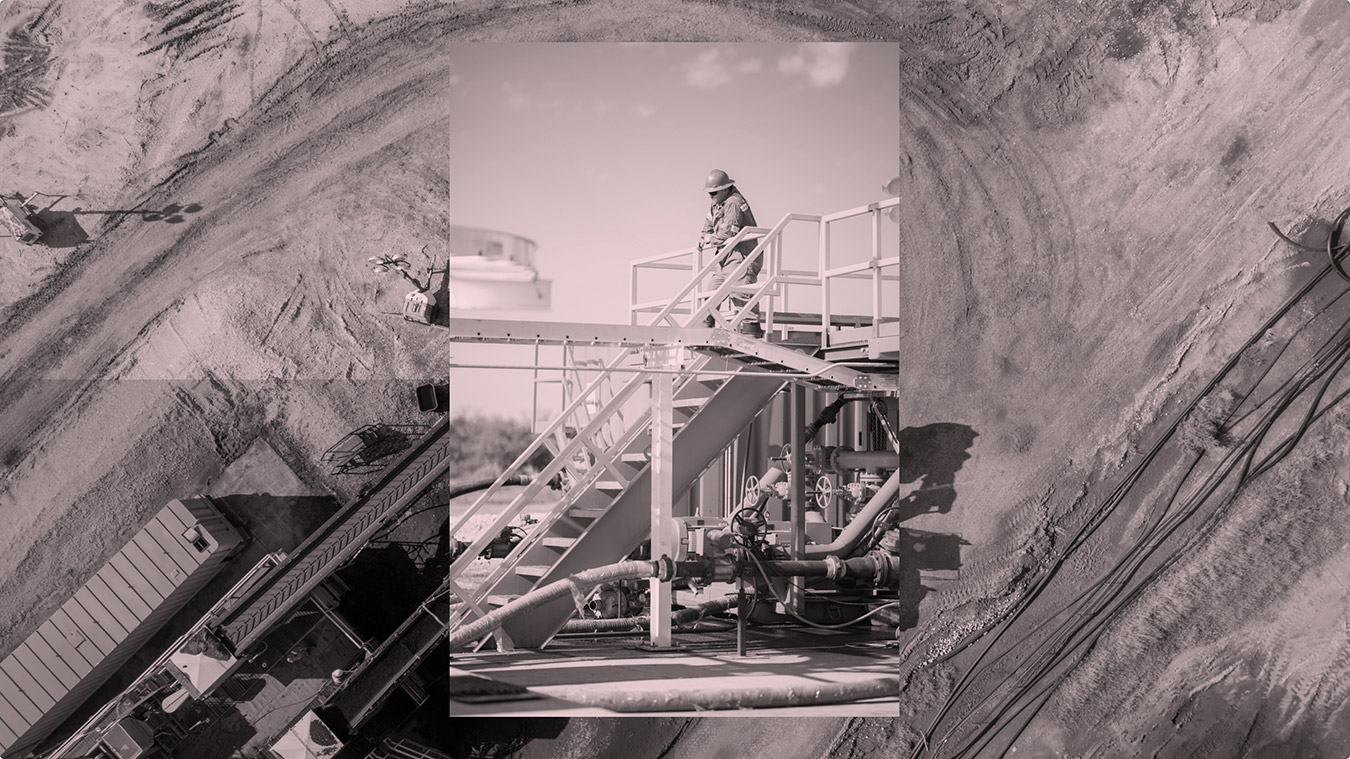
Vaulted is a waste management company that permanently removes the carbon in organic waste. Its Great Plains Facility, a commercial carbon removal site in Hutchinson, Kansas, was injecting organic waste into deep, underground salt caverns, where the carbon would stay locked away for millennia. Vaulted was removing carbon, had a commitment to deliver to Frontier, and was up against a deadline: the end of the year.
What Vaulted didn't have was a protocol or a certifier who could make that happen.
Vaulted had been working with another registry for eight months, but was still waiting for a protocol that could capture its unique technology. To move forward with credibility, Vaulted needed a new pathway-specific protocol. Switching registries at that stage carried real risk, but so did continuing to wait.

Isometric’s Head of Partnerships, Neil, met Vaulted’s CEO, Julia, in a coffee shop in San Francisco. Isometric’s pitch was direct: to develop a rigorous Biomass Geological Storage Protocol on a timeline that could meet its Frontier deadline. What stood out to Julia was not just the pace, but the approach: Isometric operated like a tech startup, building alongside Vaulted and willing to challenge the cumbersome norms of the industry.
This meant building a rigorous scientific framework capable of verifying that each credit issued represents a tonne of carbon dioxide removed from the atmosphere. It also had to work for a real-world project, and that required Vaulted to share how its operation actually ran, from biomass sourcing through to injection, so the protocol could be designed around the practical realities of the pathway.
While our Science Team built the protocol, Vaulted was doing the work that made certification possible: compiling the data, documenting its operations, and preparing the Project Design Document. When the Biomass Geological Storage Protocol went into public consultation in November 2023, Vaulted switched its project to Isometric.
On December 23, the whole team gathered on a video call. For Isometric, it was the moment years of work became real credits—1,666, issued under a brand new protocol built for a novel pathway. For Vaulted, it was the issuance the team had been working toward, and the first ever delivered against a Frontier offtake. When the Registry officially launched in April 2024, Vaulted's credits were the first on it.
Issuing those first credits was the start. The next question we set ourselves was whether we could do it every month.
At the time, the infrastructure for monthly crediting didn't exist. Typical verification cycles ran to 12 or 16 weeks of manual work. Annual crediting was the best case, for every supplier, with every registry. For companies raising capital, securing offtakes, and planning expansions, revenue was inaccessible. The pace of the market lagged far behind the pace of the problem it was supposed to be solving and what companies needed for their balance sheets.
For Vaulted, this mismatch was particularly acute. The project wasn't removing carbon once a year; it was removing it every day. Annual crediting meant financing a year of operations before seeing a return. It meant a business model built around waiting.
Solving this required both teams working in parallel.
Together, the companies created one of the first end-to-end systems linking real-world operations to continuous credit issuance. Isometric built Certify, which takes suppliers from project submission through data quantification to credit issuance in a single integrated workflow, with built-in checks to catch errors before they become delays. Vaulted developed its internal MRV system in parallel, with both teams iterating together on how operational data could be structured, verified, and submitted in near real time.
Since April 2025, Isometric has issued Vaulted credits every month, with volumes growing from hundreds of tonnes to thousands. Monthly issuance is now the industry blueprint. It’s standard for Isometric suppliers, and the benchmark the wider market is measured against.

In early 2025, Vaulted signed an offtake with Microsoft for 4.9 million tonnes of carbon removal over 12 years. A year and a half earlier, the pathway didn't have a dedicated protocol. Now it had one of the largest offtakes with the largest buyer in the market.
Microsoft's standards for carbon removal procurement are among the highest in the market. Meeting them took more than a compelling technology story; it required complete trust in the underlying scientific framework and a verifiable track record of consistent delivery.
The Biomass Geological Storage Protocol provided an independent scientific framework to evaluate and verify Vaulted’s approach. And monthly crediting gave Vaulted proof of consistent, at-scale delivery.
When it came to closing the deal, Vaulted could focus on its technology, co-benefits, and vision for scaling carbon removal, knowing the foundation these were built on could be trusted.
Signing the Microsoft offtake was a validation of everything that came before, but it was also a starting point.
Vaulted's second project, TIRE, is now on the Registry, and on track to issue its first credits this year. Isometric and Vaulted are also exploring the full climate impact of Biomass Geological Storage. This work has expanded beyond carbon removal into superpollutant reduction and reflects a wider shift in how the market is beginning to account for the complete environmental benefit of removal projects.
What started in a San Francisco coffee shop became a partnership that built the infrastructure behind tech-first certification, not just for Vaulted, but for every supplier working with Isometric.
Carbon removal doesn't scale without scientific rigor and the reliable infrastructure that supports continuous delivery. This partnership is evidence of what happens when you build both in from the start, and of how much ground can be covered, fast, when the incentives are right.

Fast issuance, transparent data, and accurate certification for every industry: carbon, superpollutants, energy, fuel, and materials.
