
NULIFE GreenTech sees carbon removal as a waste solution. The company, based in Saskatoon, Canada, takes residues that food and agricultural processors struggle to get rid of, converts them into bio-oil, and injects it deep underground into salt caverns for permanent storage.
Its Ontario Avenue facility has been regularly generating carbon removal certificates since 2025, and the company is now building a new, larger site beside a Saskatoon oat mill to manage their residual hulls.
“The business has always been centered on solving problems for the feedstock generators,” says Kieran Lewko, Director of Carbon Markets at NULIFE GreenTech. “That was core at the start, and it still is today.”
Turning hard-to-manage waste into carbon removal
NULIFE was founded in 2016, shaped by its founders’ firsthand experience of how much food waste the restaurant industry produced, and how difficult it was to manage. This challenge led to the development of the company’s hydrothermal liquefaction (HTL) technology.
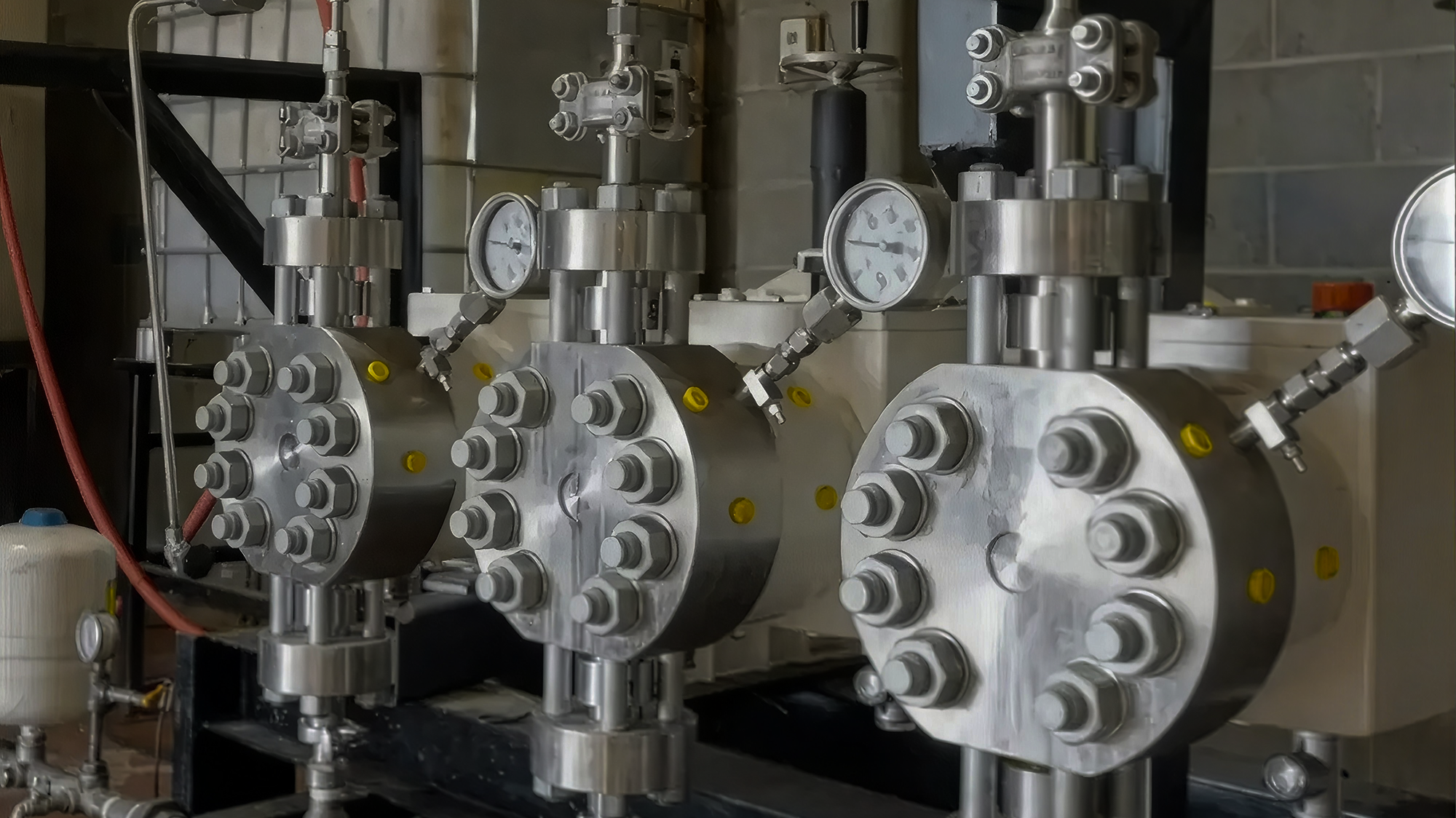
HTL converts biomass into carbon-dense bio-oil by heating it at high pressure in a reactor. The bio-oil is then injected into salt caverns deep underground, where it stores the carbon it contains for more than a thousand years.
Because the process uses water as a catalyst, it can handle both wet and dry feedstocks. That matters for wet waste, which holds relatively little carbon per wet tonne, so it is expensive to transport. Turning it into bio-oil condenses the same carbon into a much smaller volume, which makes it practical to move to the few places where it can be stored underground.
Today NULIFE works with a range of regular suppliers in the Saskatoon area, including oat mills and canola crushing plants.
A modular approach to scale
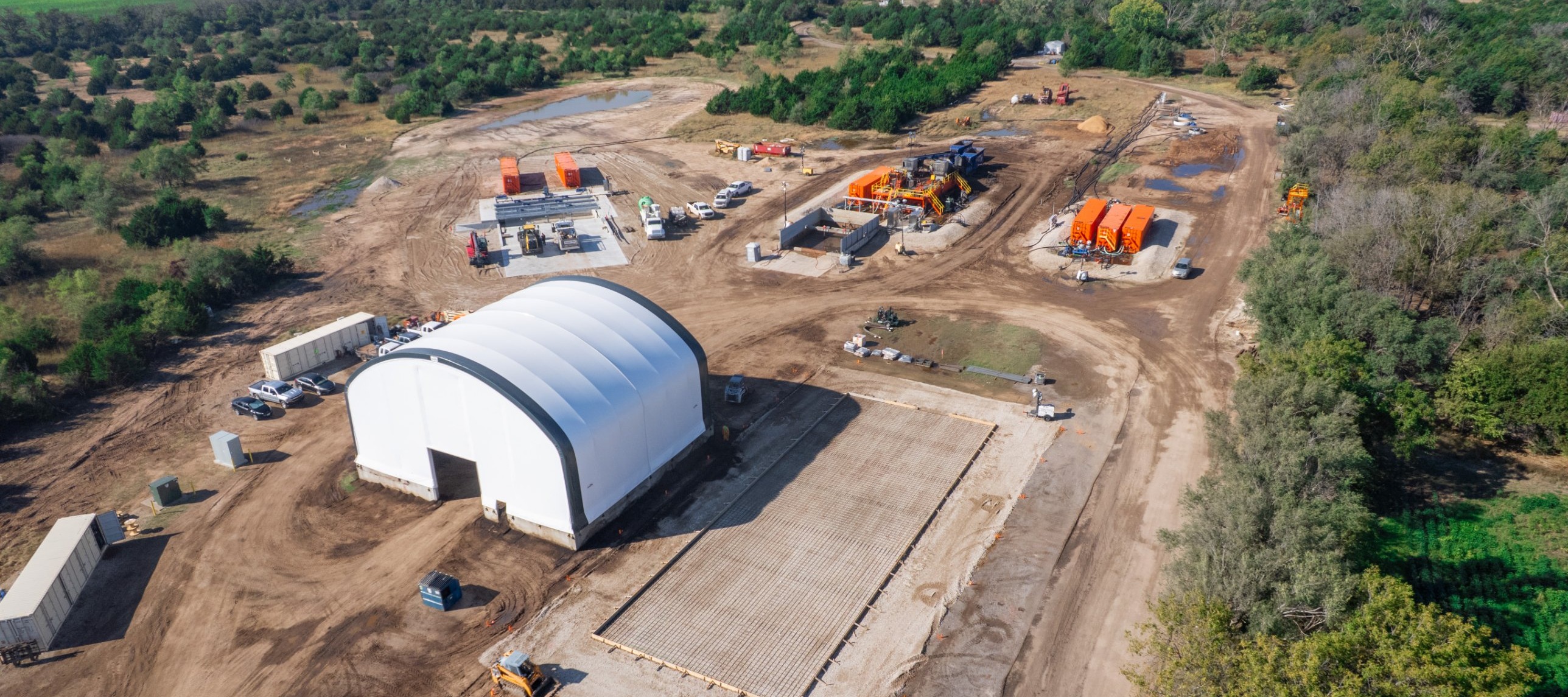
After several pilot plants, NULIFE moved into its Ontario Avenue facility in 2022, its first commercial demonstration of its modular design. Each reactor is a 60-foot tube that uses standard oil and gas equipment. NULIFE has steadily scaled the project by adding more reactors. The site started with one reactor, scaled to two, then four, and now operates a rack of 12.
Its new facility is now under construction. Majority Indigenous-owned, it will be co-located with an oat mill and process its hulls on site. It will build on the scaling model demonstrated at Ontario Avenue and is expected to create more than 30 local jobs and provide long-term economic benefits to the community.
“We’re not trying to build $500 million facilities,” Lewko says. “Our Saskatoon expansion costs roughly $15 million.” A low-cost, modular approach is, in NULIFE’s view, what makes widespread adoption of HTL possible.
Rigorous protocols and responsive support
When NULIFE chose a certifier, Isometric’s Bio-oil Geological Storage Protocol was a direct fit for its process. The scientific rigor behind Isometric’s protocol mattered to the team, and in 2025 it became the first bio-oil protocol to be approved by the Integrity Council for the Voluntary Carbon Market to carry the Core Carbon Principles (CCP) label. NULIFE received some of the world’s first CCP-labeled bio-oil certificates, and expects the label to carry increasing weight with buyers over time.
That rigor is combined with a practical approach to how protocols are implemented on the ground. “There’s an open-mindedness to work through new situations and evolve the protocols as real-world data materializes,” Lewko says.
This approach now supports NULIFE’s expansion. Isometric has worked with the company from the start and is now supporting the validation of the Saskatoon expansion. When questions come up, the two teams work through them on Slack. “The response rate is the same as if I was messaging a coworker,” Lewko says. “That helps us solve challenges quickly.”
A platform that keeps improving
At the start, NULIFE’s project documentation was a 100-page project design document. Now its feedstock, storage, life cycle assessment, and GHG statements each have their own place in Certify, Isometric’s AI-powered certification platform, which runs calculations and supplies emissions factors that used to sit in spreadsheets. NULIFE’s team has helped test many new features as they were built. “I would hate to go back,” Lewko says.
“Certify keeps getting better, almost weekly. Isometric continues to listen to our needs, and really simplifies our lives.”
Delivery buyers can count on
The Registry has also become part of how NULIFE meets buyers. Its project page now carries photos and available supply alongside project information. “The Registry is becoming a sales feature. Buyers we don’t even know are finding us there.”
In NULIFE’s experience, what carbon removal buyers want is straightforward: “They want credits delivered.” While being certified is now a prerequisite, what sets a project developer apart is delivering consistently and meeting its deadlines.
NULIFE runs its operations on a monthly cycle. Each delivery of biomass is logged as it arrives, and the plant continuously tracks key data, such as electricity use. Once a truckload of bio-oil has been collected, it is tested for its carbon content and is then sent to the injection site.
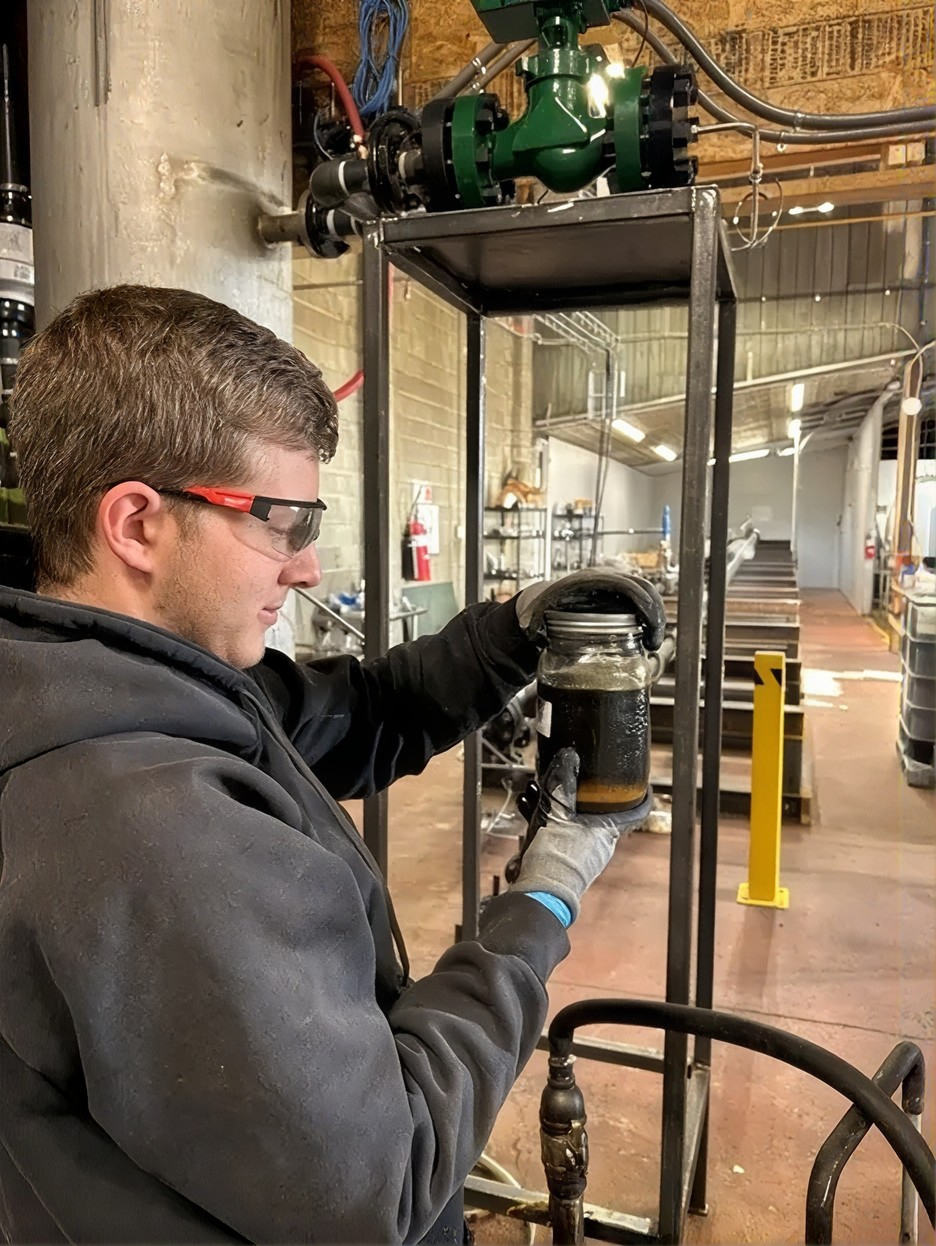
At the end of each cycle, NULIFE uploads all that data directly to Certify, which processes and packages it before sending it to an independent verifier for review. Isometric then issues certificates within days of submission, and delivering them to buyers takes NULIFE just a few clicks. “The speed of issuance is very important to us,” Lewko says.
Growing site by site
NULIFE plans to replicate its Saskatoon model wherever there is waste to treat, from agricultural residues to the by-products of municipal wastewater treatment. Speed is central to that plan. Because its plants can be built in under a year, each new site can start removing carbon soon after a location is chosen.
North America is its focus for now, with Europe and other regions in view over the longer term. “Our aim is to repeat the success of Ontario Avenue many, many times,” Lewko says.