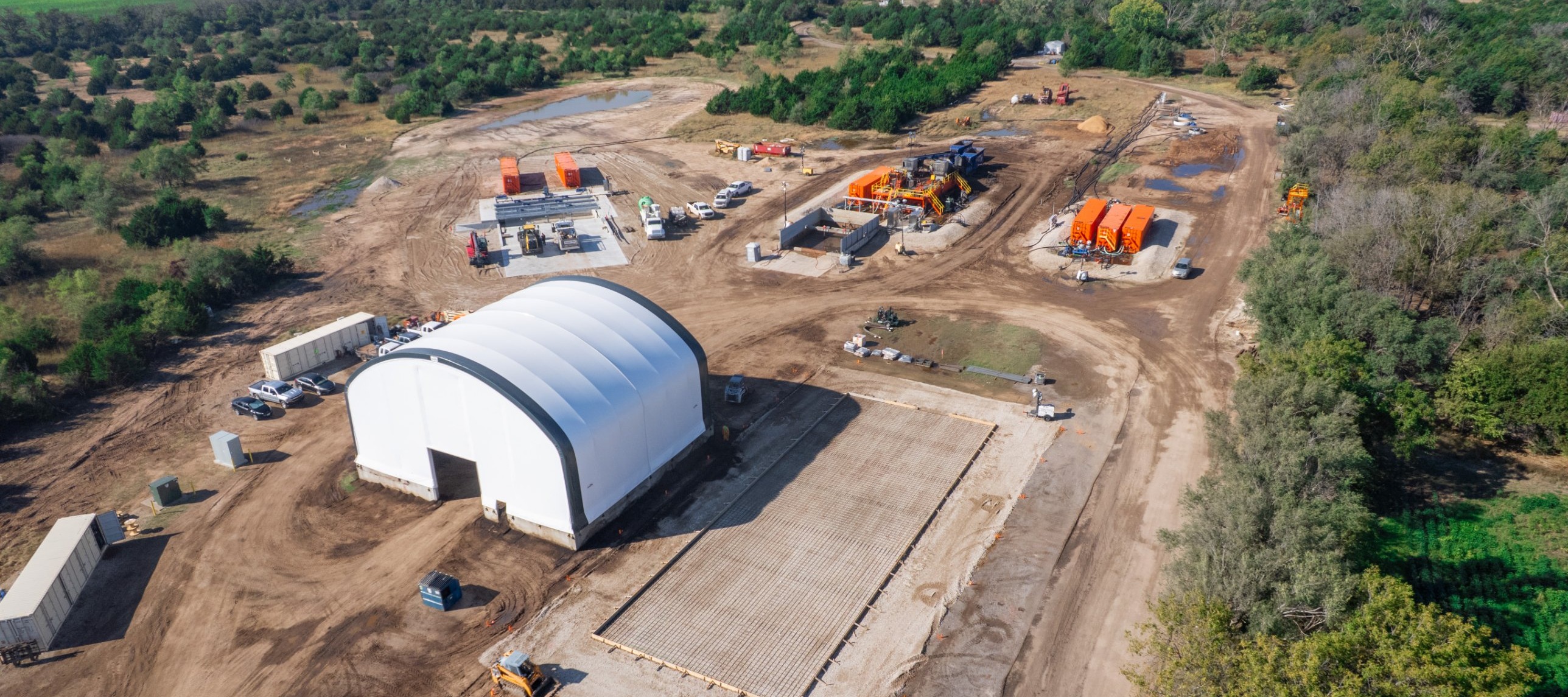
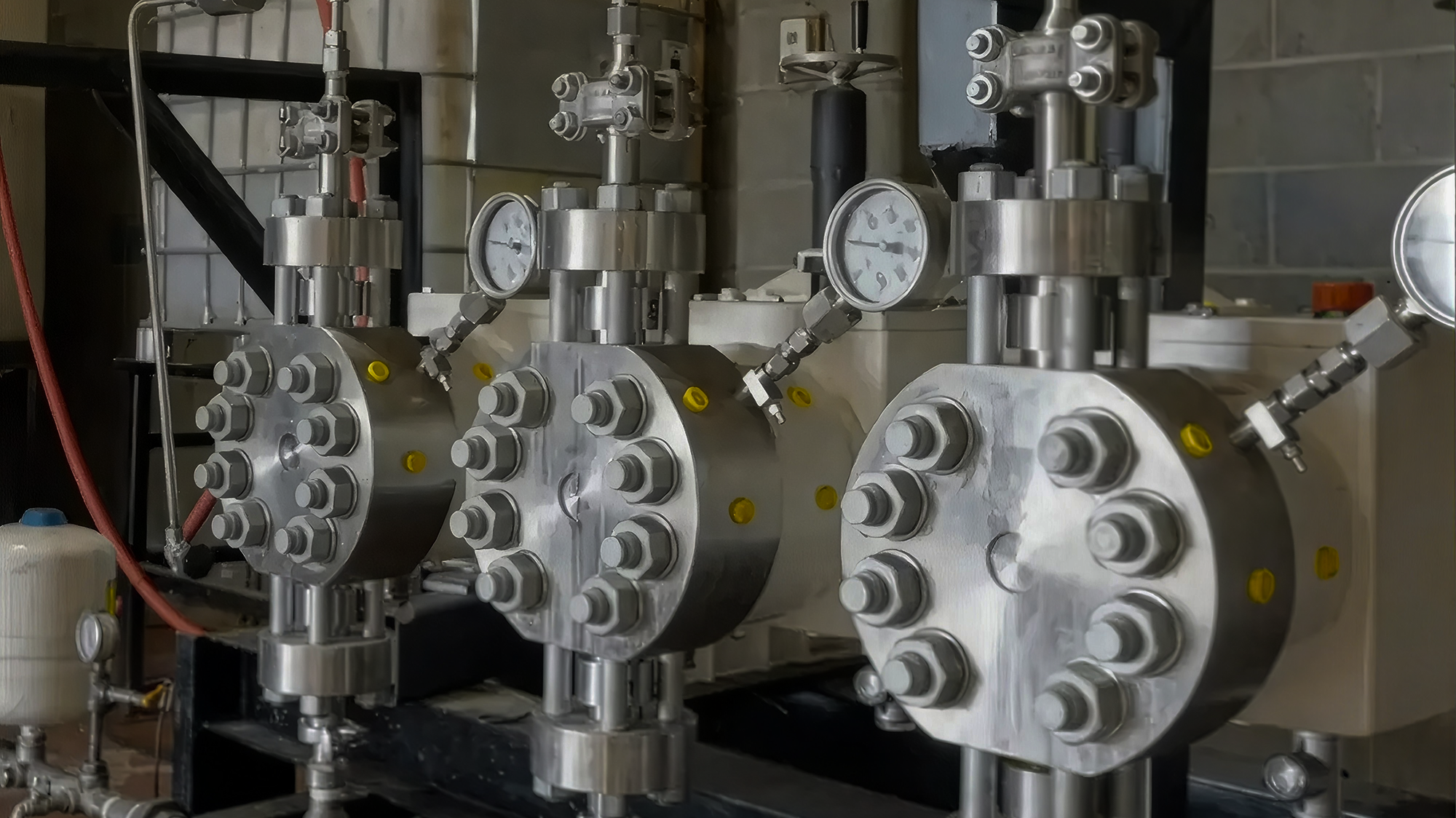
Pacific Biochar was founded to remove carbon and leave a legacy of fertile soil, and it has grown by moving fast. The company scaled by adapting existing biomass power plants to produce biochar, starting with the Humboldt Sawmill in Scotia, California, and is now also co-developing new construction biochar facilities.
In 2025, it moved its Humboldt Sawmill project to Isometric’s Biochar Production and Storage Protocol, and the project has generated certificates on a regular cadence ever since. The company now has two more projects in the pipeline, which are expected to more than double its capacity.
“Removing carbon is a challenge of incredible importance and urgency,” says Josiah Hunt, CEO of Pacific Biochar. “If you want to see climate action, sometimes you just have to make it happen.”
Building on existing infrastructure
Hunt has worked on biochar since 2008. When he founded Pacific Biochar in 2016, the industry’s biggest need was supply. Biomass power plants already had the permits, staff, biomass contracts, and power purchase agreements in place, and with small changes to machinery and operating procedures, they could produce large volumes of biochar efficiently.
That approach took Pacific Biochar to commercial scale quickly. In 2020, its Humboldt Sawmill facility became the first biochar project in North America registered for carbon removal. Hunt sees this first wave of registrations, which the Humboldt project was part of, as the moment the biochar industry truly began.
Retrofits remain at the core of the business, but the company has never tied itself to one method. Hunt describes its approach to scaling as “technology agnostic,” adapting to new production technology as it matures.
Choosing a certifier that keeps pace
By 2025, Pacific Biochar had years of carbon market experience behind it. When it came to choosing a new certifier, the views of its partners carried weight. “Isometric had earned the trust of people I knew and had worked with,” Hunt says. “Many of the buyers and intermediaries we work with rated it highly.”
Hunt had also watched Isometric grow. “I was really impressed with the pace and the organizational strength,” he says.
“Isometric came in with the right idea, a strong team, and the resources to succeed from the start.”
That pace suited Pacific Biochar. “We needed to move fast, and that’s one thing I really appreciate about Isometric,” Hunt says. He points to the team’s ability to work through big, complex scientific questions with what he calls “a really deep bench,” without sacrificing integrity.
Certify took a little longer to win him over. Pacific Biochar already had its own digital MRV system, and his first reaction was to ask whether the company needed another platform. What changed his mind was the impact it had on everyone else involved.
“Certify creates a common language for auditors and for buyer diligence, which makes everything more fluid.”
That mattered for Pacific Biochar’s sales. Many factors shape a buyer’s decision, but evidence of reliable, consistent delivery has decided many of the company’s deals. A decade of producing biochar gives Pacific Biochar a strong track record, and the right certifier reinforces it. “Isometric publishes its materials in a way that is easy to find and easy to navigate,” Hunt says. “That transparency really helps give buyers confidence in delivery.”
A legacy of fertile soil
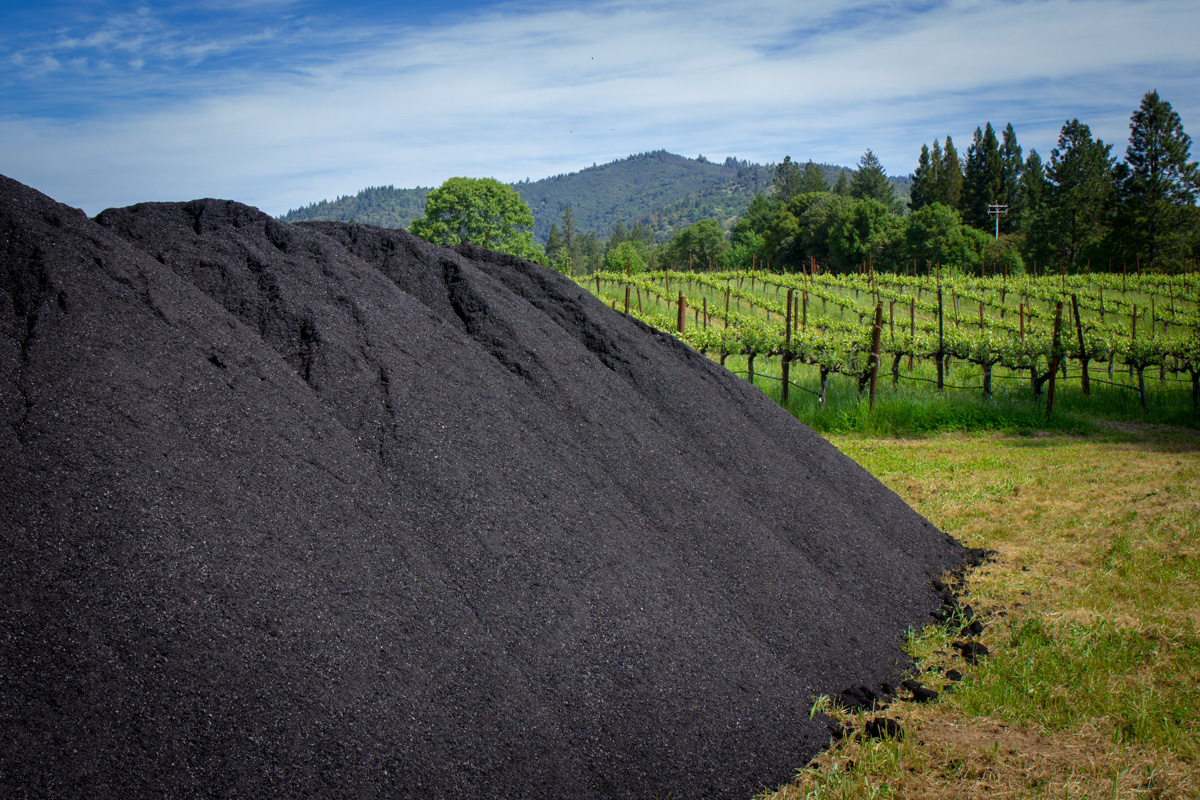
Leaving a legacy of fertile soil is the second part of Pacific Biochar’s mission. Biochar is a very stable form of organic matter that is already present in most of the world’s soils. Pacific Biochar applies its biochar to farmland near where it is produced, where it supports water conservation, crop yields, and fertilizer efficiency.
Over a decade working with farmers in its region, the company has built the relationships and supply chains it needs to produce and store biochar at scale. It sees biochar’s effect on agricultural soil as one of its most lasting sources of value.
Hunt explains it with an analogy. Applying nitrogen fertilizer is like putting fuel in a car. Adding biochar is more like rebuilding the car to be more fuel efficient.
To show what that could mean over generations, Pacific Biochar has modeled the long-term return of biochar on farmland, drawing on the terra preta soils of the Amazon. The company hopes to see those benefits become a recognized metric across the industry. “It’s a profound benefit to humanity,” Hunt says, “and I want it to be part of the conversation.”
In the meantime, Pacific Biochar’s focus stays the same. “We’re consistently delivering high-integrity, durable carbon removal,” he says. “We’re proud of it, and we’re going to keep on doing it.”